Thanksgiving and pie just belong together, and pie recipes give home cooks the perfect opportunity to bring something special to the holiday table. Every great pie starts with a great crust, and if you start with Classic Crisco Pie Crust , you’ll have a winner that is easy and creates a flaky foundation for your favorite Thanksgiving fillings.
Start with a Classic: Traditional Apple Pie
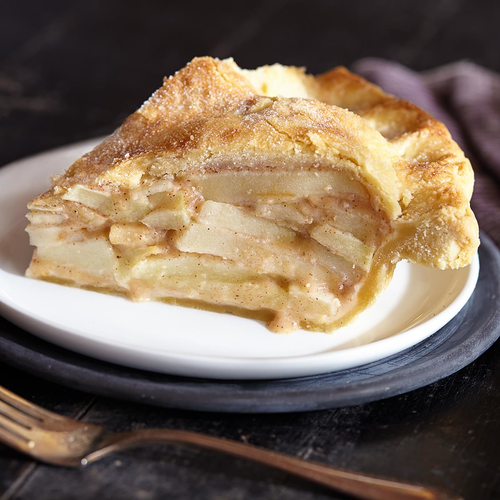
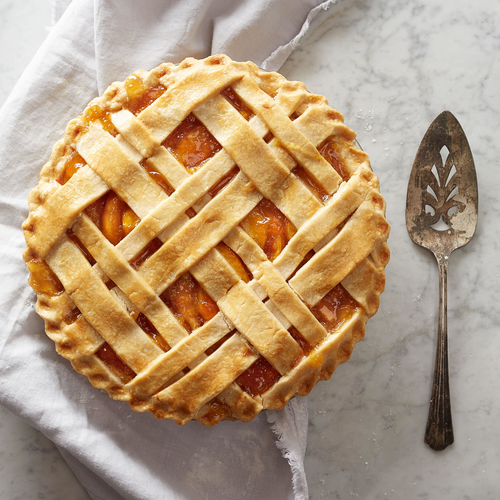
There’s a reason apple pie never goes out of style. Crisco’s Traditional Apple Pie combines tart baking apples with sugar, cinnamon, nutmeg, and a flaky double crust for a Thanksgiving dessert that feels right at home on the holiday table.
Serve it warm with a scoop of vanilla ice cream for a comforting holiday favorite.
Put a Twist on Pumpkin Pie
Pumpkin is practically required at Thanksgiving, but there’s always room to shake up tradition. Pumpkin Spice Pie with Espresso Whipped Cream brings together familiar fall flavors with a coffee-inspired finish for a dessert that feels both classic and a little unexpected.
Try Something New
Want to expand the dessert table beyond apple and pumpkin? Crisco has plenty of pie recipes to explore.
Pie doesn’t have to wait until dessert. Creamy Turkey Pie offers a comforting way to bring savory flavor to the table. It’s also an especially fitting recipe to keep handy when you’re wondering what to do with Thanksgiving leftovers.
National Chocolate Chip Cookie Day (August 4th!) is the perfect excuse to bake a fresh batch of homemade cookies, and Crisco® has recipes you’ll want to make year-round. We’ve got inspiration for you to celebrate. Enjoy the day with one (or several) of these delicious Crisco recipes from classic chocolate chip cookies to coffee-inspired flavors and decadent brownies.
Sometimes, classic is best. These Ultimate Chocolate Chip Cookies deliver everything people love about the original with golden edges, soft centers, and plenty of chocolate chips in every bite. They’re perfect for family gatherings, bake sales, lunchboxes, or an afternoon treat with a cold glass of milk.
Coffee lovers, this one’s for you. Espresso Chocolate Chip Cookies combine rich chocolate with the bold flavor of espresso for a sophisticated twist on a classic cookie. They’re an excellent choice for brunches, afternoon coffee breaks, or dessert after dinner.
Peanut butter and chocolate are a timeless combination, and these Peanut Butter Chocolate Chip Cookies balance creamy peanut butter with sweet chocolate chips for a cookie that’s both comforting and crowd-pleasing.
Love a little crunch? Chocolate Chip Walnut Cookies combine buttery cookie dough, rich chocolate chips, and crunchy walnuts for a classic bakery-style treat that’s full of texture and flavor. This recipe also offers different ways to make it your own, with customizations like adding coconut, butterscotch, or candied fruit.
If you’re celebrating National Chocolate Chip Cookie Day but craving an extra-rich dessert, these Chocolate Chocolate Chip Brownies deliver double the chocolate in every fudgy bite. They’re perfect for parties, picnics, and anyone who believes there’s no such thing as too much chocolate.
Celebrate National Chocolate Chip Cookie Day with Crisco
Whether your family loves classic chocolate chip cookies, peanut butter, espresso, or rich chocolate brownies, National Chocolate Chip Cookie Day is the perfect excuse to spend time in the kitchen together.
This August 4, gather your favorite people, choose a Crisco recipe, and bake something delicious. You may just discover a new family favorite along the way. Happy National Chocolate Chip Cookie Day from all of us at Crisco!
Cast iron skillets are versatile, hardworking, and can last a lifetime. However, they can seem intimidating because they take a little extra care than your standard pan, but caring for your cast iron skillet can be easy with Crisco® All-Vegetable Shortening. Its high smoke point and ability to create a durable, even seasoning make it a favorite for maintaining cast iron cookware. Here’s everything you need to know:
Why Do You Need to Season a Cast Iron Skillet?
Seasoning isn’t just about making your skillet look shiny. It’s what transforms raw cast iron into the naturally nonstick pan people love cooking with. A properly seasoned skillet helps:
Create a naturally nonstick cooking surface
Improve food release
Develop rich flavor and beautiful browning when searing
Protect against rust
Extend the life of your cookware
Seasoning works by heating a thin layer of fat until it polymerizes, creating a durable coating that bonds directly to the iron.
Why Use Crisco to Season Cast Iron?
For decades, home cooks have relied on Crisco to season cast iron because it delivers consistent, reliable results. Crisco is an excellent choice because it has a high smoke point that’s ideal for seasoning, creates a smooth, durable nonstick layer, bonds well with cast iron during the seasoning process, and has been trusted by generations of cooks for cast iron care. The key is using just enough shortening. A thin, even layer creates the best finish, while applying too much can leave your skillet sticky.
How to Season a Cast Iron Skillet with Crisco
Whether you’re seasoning a brand-new skillet or restoring a rusty one, follow these simple steps.
Step 1: Clean the Pan
Wash the skillet with warm water and a small amount of mild soap.
If you’re restoring an older pan, scrub away rust using steel wool or a chainmail scrubber until the surface is clean.
Step 2: Dry Thoroughly
Dry the skillet completely with a lint-free cloth.
Any remaining moisture can interfere with seasoning and encourage rust, so many cooks also place the pan over low heat on the stovetop for a few minutes to remove any hidden moisture.
Step 3: Apply Crisco
Using a lint-free cloth or paper towel, rub a small amount of Crisco All-Vegetable Shortening over every surface of the skillet, including:
Inside cooking surface
Outside of the pan
Handle
Bottom
Once coated, buff away any excess shortening. The pan should appear lightly coated—not greasy.
Tip: Too much shortening is one of the most common mistakes and can leave your skillet with a sticky finish.
Step 4: Bake the Skillet
Place the skillet upside down on the center oven rack.
Place a sheet of foil on the rack below to catch any drips.
Starting with a cold oven:
Set oven to 450°F
Bake for 1 hour
Turn the oven off and allow the skillet to cool completely inside the oven
The slow cooling helps the seasoning bond evenly.
Step 5: Repeat if Needed
If you’re seasoning a brand-new or previously rusty skillet, repeat the process 3 to 4 additional times to build a strong, durable cooking surface. Each layer makes the seasoning smoother and more resilient.
How to Maintain Your Cast Iron Seasoning
The good news is that maintaining cast iron is much easier than starting from scratch. After each use:
Wash with warm water only.
Skip the dish soap whenever possible.
Dry completely with a lint-free towel.
Place the skillet over low heat for a few minutes to remove any remaining moisture.
Rub on a very thin layer of Crisco before storing.
Store your skillet in a dry location. Many cooks prefer storing it upside down to help keep dust from collecting inside.
When Should You Re-Season Your Cast Iron?
Most well-loved skillets only need a full seasoning once or twice each year. However, it’s time to re-season if you notice food beginning to stick, rust spots, a dull or uneven finish, or areas where the seasoning has worn away. If your skillet ever develops a sticky surface, scrub it with baking soda, rinse thoroughly, and repeat the full seasoning process.
Put Your Freshly Seasoned Skillet to Work
One of the best ways to enjoy your newly seasoned skillet is with a classic cast iron favorite: cornbread. A hot, well-seasoned cast iron skillet creates crisp, golden edges while keeping the inside tender and moist, exactly what you want from homemade cornbread.
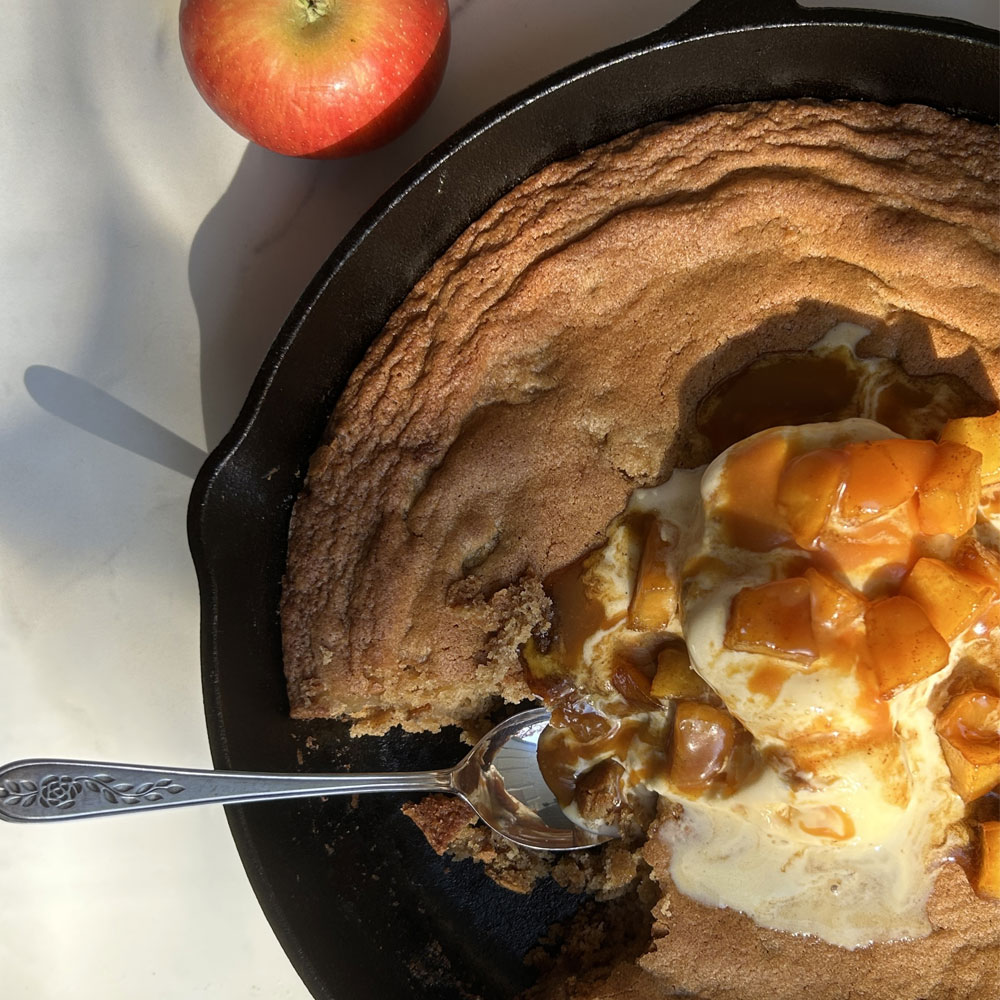
Serve warm alongside your favorite bowl of chili, barbecue, soups, or roasted meats for a comforting meal that’s made even better by cooking in cast iron. Looking for inspiration? Try Crisco’s delicious Spiced Apple Skillet Blondie recipe for a sweet twist on a classic side dish.
Keep Your Cast Iron Cooking for Generations
With just a little routine care, a cast iron skillet can last for decades and often becomes better with every meal. Using Crisco to build and maintain your seasoning helps create the naturally nonstick surface that makes cast iron such a kitchen favorite.
Summer is made for backyard dinners, family celebrations, and comfort food that brings everyone together around the table. This season, Crisco is helping home cooks create unforgettable summer meals with two crowd-pleasing recipes: a crispy BBQ Fried Chicken Sandwich on a Cheddar Biscuit and a festive Red, White and Blue Velvet Cake. Check out the recipes!
BBQ Fried Chicken Sandwich on a Cheddar Biscuit
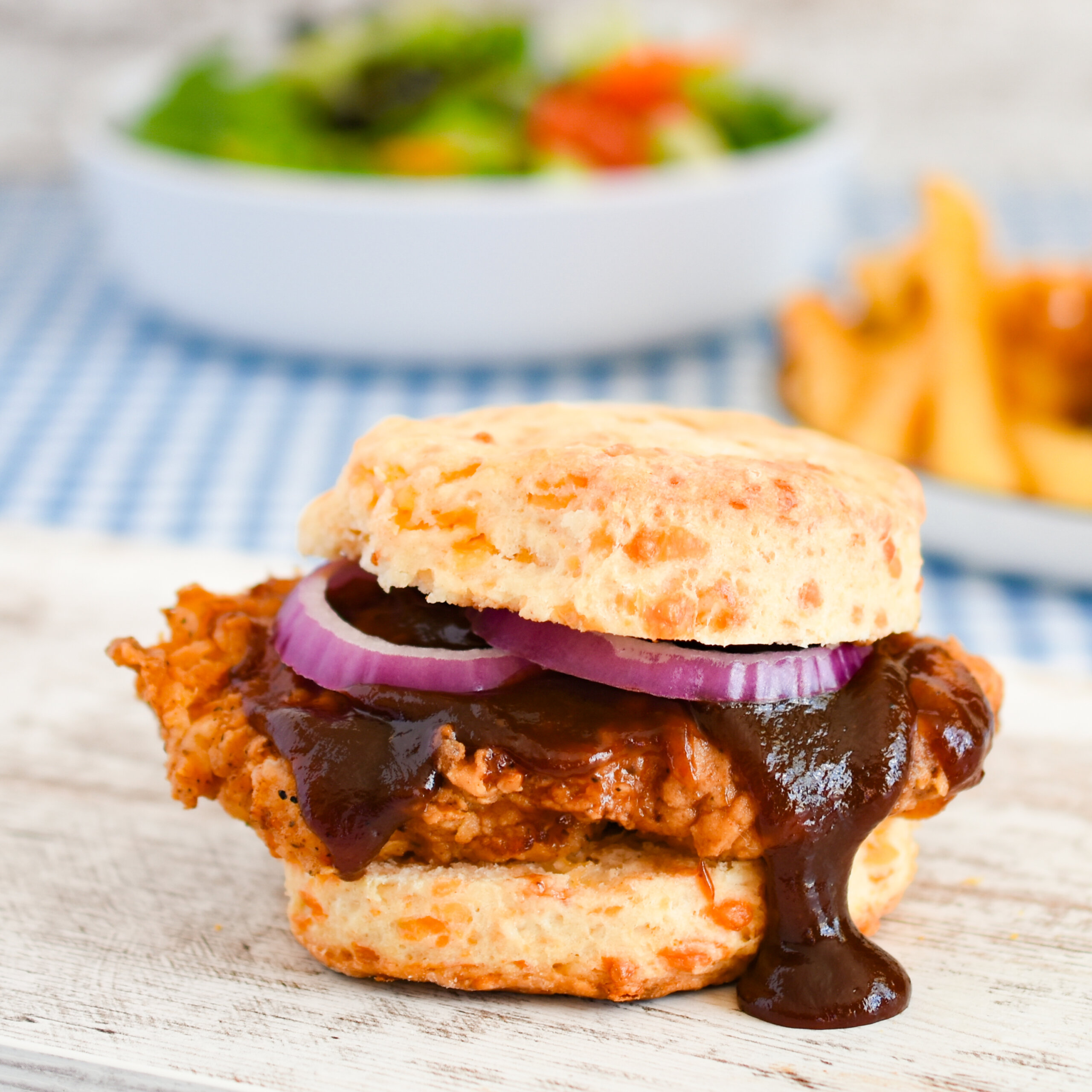
Looking for the ultimate fried chicken sandwich recipe this summer? This BBQ Fried Chicken Sandwich on a Cheddar Biscuit delivers crispy, juicy chicken with bold seasoning, tangy BBQ sauce, pickles, and rich cheddar biscuits.
Using Crisco All-Vegetable Shortening helps create the perfectly crisp fried coating while locking in flavor and tenderness. It’s the kind of sandwich made for summer cookouts and casual family dinners.
No summer celebration is complete without dessert, and this festive red, white, and blue velvet cake recipe is perfect for, Fourth of July, and all your other warm-weather gatherings.
Made with Crisco All-Vegetable Shortening, this colorful cake features rich cream cheese frosting, soft red velvet cake layers, and classic homemade flavor everyone loves.
From savory comfort food to festive desserts, Crisco helps bring homemade flavor to every summer gathering. Whether you’re going savory or sweet, these recipes are sure to please!
There’s something about Memorial Day that calls for two things: good company and really good dessert. It’s the unofficial start of summer, which means lighter flavors, fresh fruit, and just enough indulgence to feel like a celebration.
These summer baking tips and Memorial Day recipes bring a mix of nostalgic comfort and seasonal flavor. From berry-packed pies to rich, chocolatey bars, there’s something here for every kind of crowd. Kick off summer right with some of our favorite treats, below!
1. Brookie Bars
Chocolate chip cookies meet brownies in one perfectly layered dessert. These bars give you the best of both worlds. They’re chewy, gooey, and just rich enough to feel like a treat without trying too hard. They’re easy to slice, easy to share, and always one of the first things to disappear at a party.
You’ve probably heard of cake pops, but pie pops? They’re to die for! Lemon and coconut come together for a refreshing dessert you don’t need a fork to enjoy. Perfect for picnics or any event where you want one less dish to clean, and just as delicious as a traditional piece of pie.
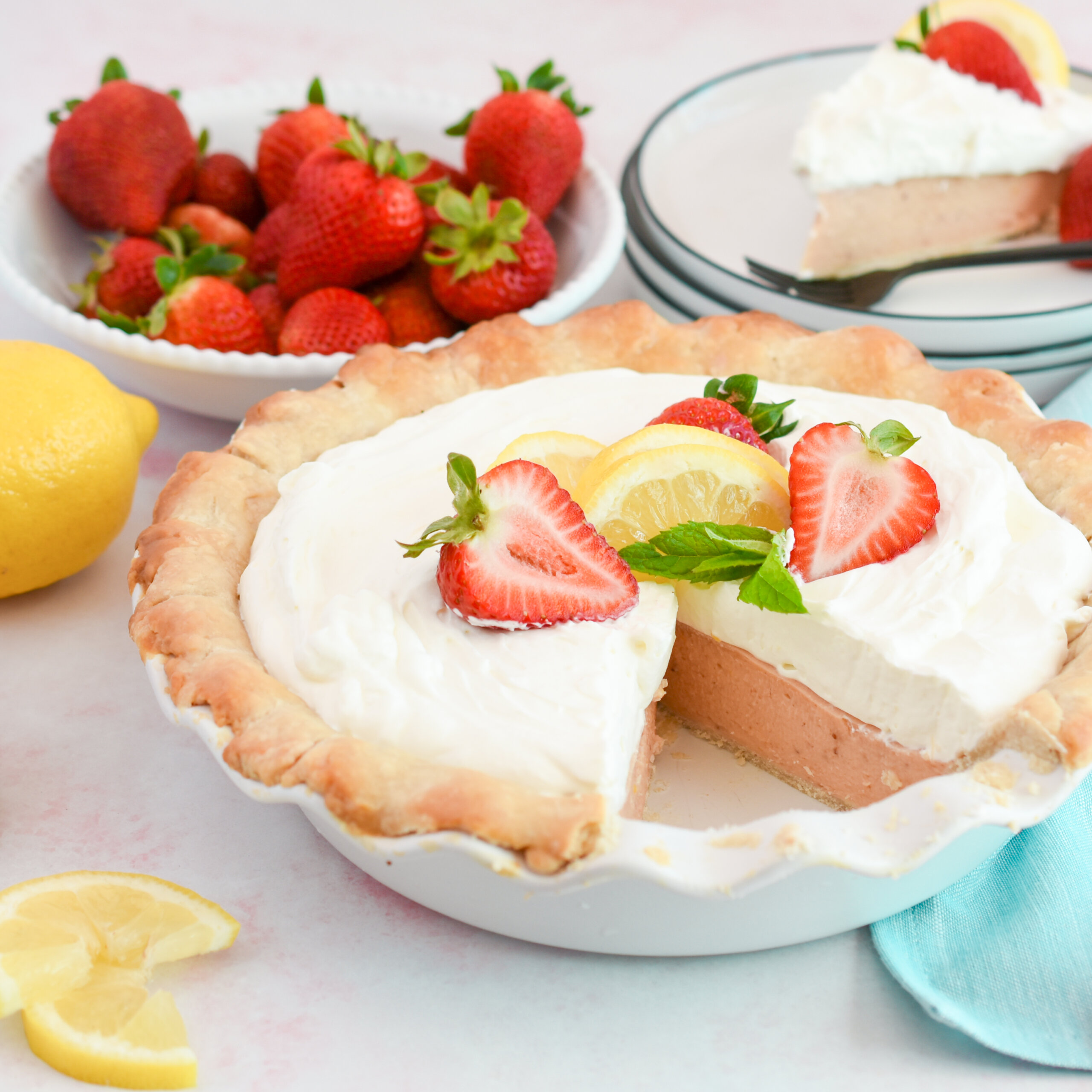
Light, creamy, and just the right amount of tangy, this pie is basically summer in dessert form. The combination of berries and lemonade keeps it refreshing, even after a heavy meal. And careful, you’ll likely get asked to make this year after year.
These soft, cake-like cookies sandwiched with a sweet raspberry filling are a summery twist on a classic. Fun to eat, easy to serve, and a nice switch-up from more traditional desserts.
Banana, pineapple, and a hint of spice come together in these incredibly moist cupcakes, topped with a smooth cream cheese frosting. They bring nostalgic flavors that feel right at home on a summer table..
When you want something sweet but not heavy for late May, these lemon curd cookies add the right amount of zing without being overpowering. This springtime take on thumbprint cookies will fit right in to your next gathering.
Warm, soft peaches topped with a golden biscuit crust, this is comfort food in dessert form with a fruit that is quintessential with summer time. It’s simple, familiar, and exactly what people want after a long day outside.
Memorial Day is a perfect time to share desserts that feel easy, summery, and worth going back for seconds. Whether you lean chocolatey, fruity, or somewhere in between, these recipes bring just the right balance of comfort and summer flavor for your family and friends.
For even more inspiration, explore even more summer recipes to bring sweet and savory flavors to your Memorial Day gathering.
Looking for some easy Easter recipes that work every time? We’ve got you covered. Easter is a holiday built around the table. From comforting casseroles and fresh spring flavors to festive desserts, the day typically begins with a beautiful spread and ends with a memorable family meal. Whether you’re searching for Easter breakfast recipes, crowd-pleasing Easter brunch recipes or standout Easter dinner recipes, Crisco helps make every dish deliciously dependable.
Let’s build your Easter menu from morning to dessert, including:
Hearty egg bakes and savory brunch centerpieces
Beautiful, bakery-style pastries perfect for Easter morning
Classic mains and fresh spring vegetables
Playful, pastel-inspired desserts for your Easter table
Tried-and-true recipes made better with Crisco
Easter Brunch (or Breakfast, if You Prefer!)
While Easter morning may start with coffee and something sweet, brunch is often the true star of the day. Traditional Easter brunch menus feature egg bakes, savory pastries, biscuits, and coffee cakes, the perfect mix of comforting and celebratory.
Here are standout Easter brunch ideas made even better with Crisco:
A classic brunch casserole filled with savory ham, mushrooms, eggs, and cheese. It’s hearty enough to anchor your table and easy enough to prep ahead, making it ideal for hosting. Using Crisco helps create a tender base and consistent bake.
Creamy, cheesy, and loaded with smoky bacon, this egg bake is a crowd-pleaser. Serve it alongside fresh fruit and mimosas for a balanced and beautiful Easter brunch spread.
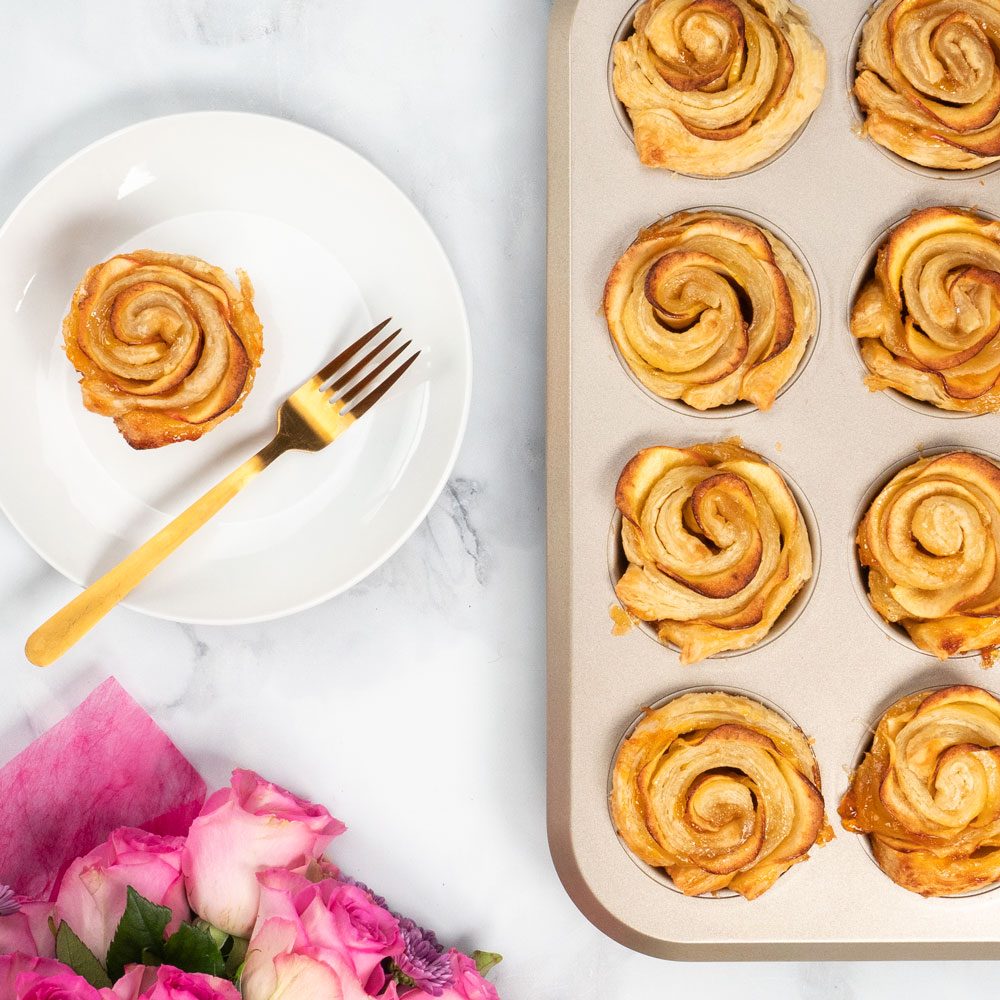
Add a visual wow-factor to your table with these elegant pastries, which look bakery-worthy but are surprisingly simple to prepare. Thinly sliced apples wrapped in flaky pastry create stunning edible “roses,” perfect for spring.
Savory with a subtle kick, these biscuits bring bold flavor to your brunch lineup. The buttery richness (thanks to Crisco shortening) paired with sweet-spicy peach pepper jam makes them unforgettable.
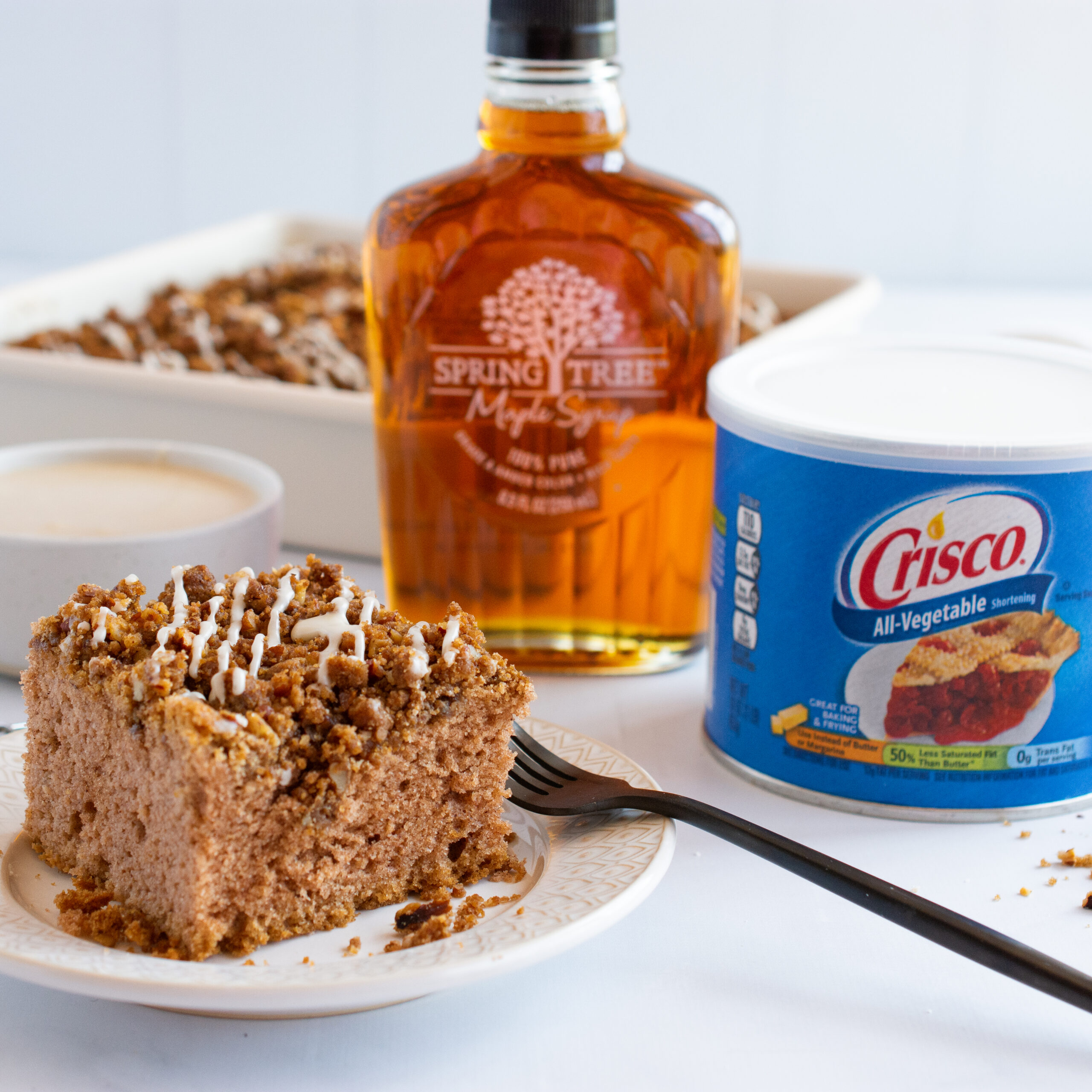
No Easter brunch is complete without coffee cake. This almond butter version is tender, moist, and topped with a sweet crumb that pairs perfectly with your morning coffee. It’s a comforting classic that fits beautifully into your lineup of Easter brunch recipes.
Easter Dinner Recipes Made Easy With Crisco
After a relaxed brunch and egg hunts, it’s time for a satisfying holiday dinner. Traditional Easter dinner recipes often include roasted meats, fresh vegetables, and warm rolls. These Crisco recipes offer a delicious twist while staying true to those comforting flavors.
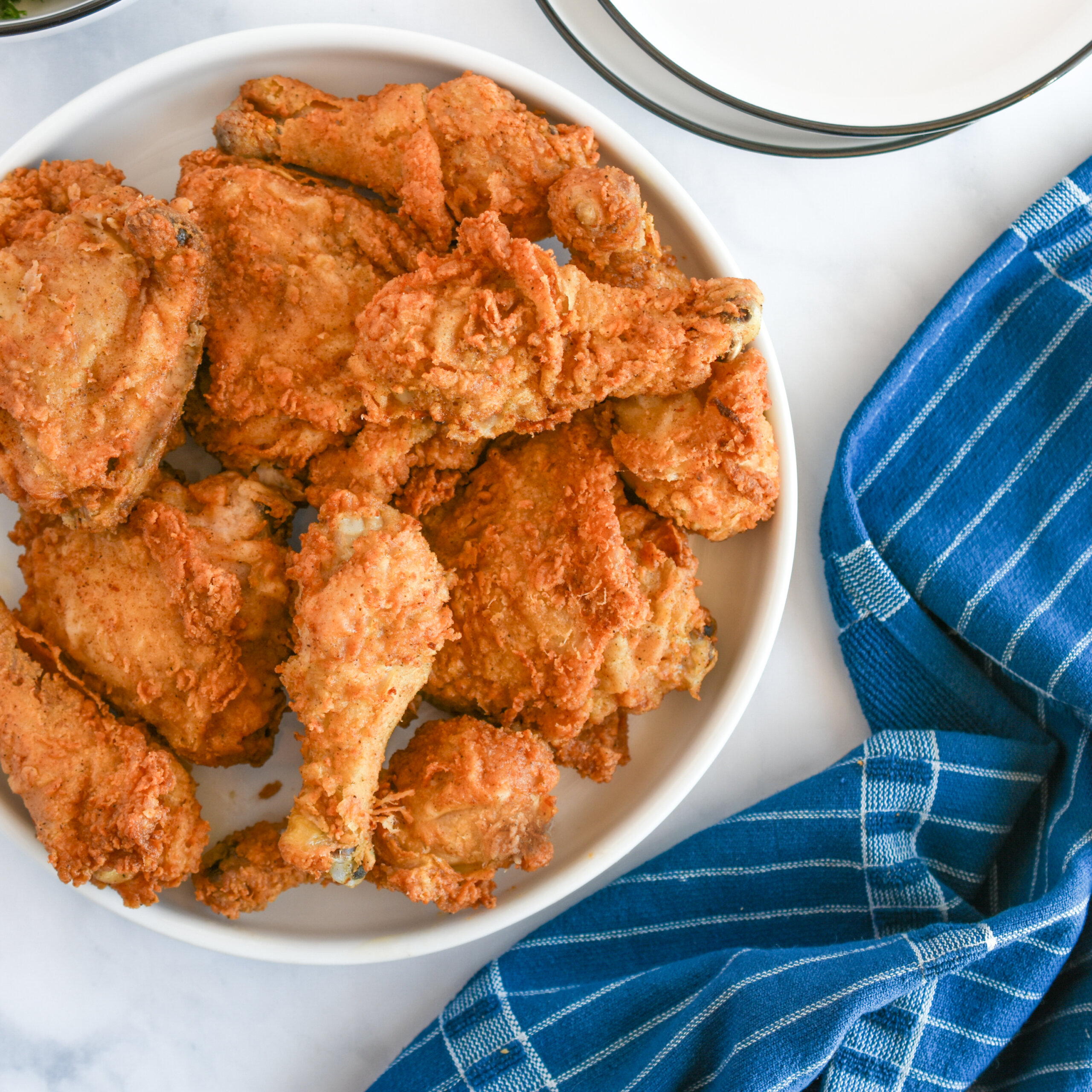
Golden, crunchy, and juicy on the inside, this fried chicken delivers serious comfort. Frying with Crisco helps achieve consistent crispiness and beautiful browning, perfect for a family-style Easter dinner.
Soft, fluffy dinner rolls are a must on any Easter table. Using Crisco helps create tender texture and reliable rise. Serve warm with butter for the ultimate side dish.
Looking for something lighter? This glazed salmon brings bright, fresh spring flavors to your Easter dinner. The sweet maple and dill combination pairs beautifully with seasonal sides.
Balance out richer dishes with these vibrant green beans tossed in a citrus vinaigrette. Fresh, colorful, and simple, they round out your Easter spread perfectly.
Easter-Themed Sweet Treats & Desserts
Easter isn’t complete without sweet treats, either for dessert or a quick midday delight. These desserts not only taste great, they look amazing: think pastel colors, spring flavors, and playful presentation. These festive treats make adorable additions to dessert tables or snack trays.
A true Easter classic! These cupcakes are topped with toasted coconut and candy eggs to resemble tiny nests. It’s a fun baking project and a charming dessert centerpiece.
Fresh strawberries dipped in chocolate and decorated to resemble carrots? Yes, please. These are fun, festive, and easy to serve as bite-sized treats. (Don’t worry, they don’t actually taste like carrots.)
Light, fruity, and perfect for spring, these cupcakes combine sweet raspberry flavor with coconut for a bright seasonal finish to your meal.
Why Cook With Crisco for Easter?
Holiday cooking should feel joyful, not stressful. Here’s why Crisco is a trusted staple for Easter meals:
Creates Tender Baked Goods Because Crisco shortening contains no water, it helps reduce gluten formation in baked goods, resulting in softer biscuits, fluffier rolls, and more tender coffee cakes.
Delivers Reliable Frying Results Crisco maintains stable temperatures for frying, helping you achieve crispy, golden textures, which is especially important for recipes like fried chicken.
Versatile for Sweet & Savory From brunch casseroles to dinner rolls and festive cupcakes, Crisco works seamlessly across your entire Easter menu.
Consistent Performance When you’re preparing multiple Easter brunch recipes and Easter dinner recipes, consistency matters. Crisco products help ensure reliable results every time.
From savory brunch bakes and elegant pastries to crispy fried chicken and festive cupcakes, these Easter breakfast recipes, Easter brunch ideas, and Easter dinner recipes help you create a holiday menu that feels both traditional and fresh. No matter how you celebrate, cooking with Crisco makes it easier to serve dishes that are tender, flavorful, and ready to impress.
Here’s to a joyful, delicious Easter around the table.
A Valentine’s Day wouldn’t be complete without chocolate-forward recipes that make it easy to bake something sweet that feels special.
What are some easy Valentine’s recipes to bake at home?
Valentine’s Day doesn’t need big plans or complicated desserts. Sometimes, it’s just about making something sweet, setting it on the table, and enjoying the moment.
This collection of Valentine’s recipes from Crisco focuses on desserts that feel familiar, comforting, and doable whether you’re baking for someone you love or just treating yourself.
Which Valentine’s desserts are worth making?
Chocolate tends to take the lead on Valentine’s Day, and these recipes lean into that in simple, approachable ways. Some of our favorites are:
It’s that time of year again—the air is crisp, the leaves are crunchy and the kitchen smells amazing. That’s right, it’s pie season. There’s no better time to elevate your pie game with trusted advice from the crust experts at Crisco. Whether you’re baking a classic apple pie or trying out a new savory tart, these easy pie crust tips for Crisco pie crust will help you achieve flaky, golden, beautifully textured crusts every time.
Why Crisco Shortening Makes a Difference
Using Crisco shortening gives you a crust that’s stable, easy to work with and reliably flaky. One of the key steps in perfecting pie crust is to use cold ingredients, including even chilled or frozen shortening. This higher-melting fat helps keep pockets of shortening intact during rolling and baking, which translates into flakiness in each bite.
Six Crisco Pie Crust Pro Tips
1. Keep Everything Cold
Chill the shortening and use ice-cold water for the dough. Cold ingredients prevent the fat from melting prematurely, which is a key to better crusts. When the fat stays in distinct pieces throughout the dough, it creates steam pockets as it bakes, which is what gives the crust its tender, flaky layers. So after mixing, wrap the dough and chill for 30 minutes to two days before rolling.
2. Measure Wisely
Measure flour by lightly spooning into a measuring cup and leveling off. Avoid scooping directly from the container. If you’re using a measuring cup for the shortening, pack it fully, or better yet measure by weight. Accurate measuring ensures the right fat-to-flour ratio, which affects texture and structure.
3. “Cut in” the Shortening Properly
Cut or pulse the shortening into the flour/salt mixture until the bits are about pea-sized. Avoid using your hands for this step (your body heat melts the fat too much). If you’re using a food processor, use the “pulse” feature to avoid over-mixing; you want coarse crumbs with visible bits of shortening for flakiness.
4. Add Water Slowly and Test the Dough
Add ice-cold water a tablespoon at a time, gently stirring after each addition.
A good way to test this is by squeezing a small bit of dough. If it holds together, stop adding water. The dough should look a bit “mosaic,” with small visible bits of shortening remaining in the mixture. Using too much water can lead to tough crusts.
5. Rolling & Repairing the Dough
Roll the dough on a lightly floured surface (or between sheets of wax/ parchment paper) so it doesn’t stick. Avoid adding too much flour. When cracks appear: take a small piece from the dough edge, press it into the crack, dust lightly with flour, then roll again.
For double-crust pies, roll the bottom crust and trim leaving a ¾-inch overhang. Roll the top crust, place over filling, trim and seal & flute edges; then cut vent slits.
6. Baking or Blind-Baking
“Blind baking” is the process of baking an unfilled crust. Prick the bottom and sides with a fork (~50 times) to prevent blistering. Line the crust with parchment/foil, fill with weights (beans, rice or sugar), bake at 375 °F for about 20 mins. Remove weights, then finish 5-10 mins at 350 °F until golden.
For filled pies, chill the dough prior to baking, transfer to a pie plate, fill and bake as your recipe directs.
Let’s Put It Into Practice with our Classic Crisco Pie Crust
Single crust: 1 ½ cups all-purpose flour (195g/6.9 oz.)+ ½ tsp salt + ½ cup cold Crisco shortening (96g/6.9 oz.) + 3-6 Tbsp ice water
Double crust: 2 cups flour + ¾ tsp salt + ¾ cup cold Crisco shortening + 4-8 Tbsp ice water
Combine flour & salt, cut in shortening until pea-sized, gradually add water until dough holds together. Shape into disk(s), wrap & chill, then roll & bake or fill per instructions.
Whether you’re baking a sweet fruit pie or a savory pot-pie, starting with a well-made crust sets the tone.
Why This Matters for Your Baking
When you follow these Crisco tips:
The crust is flaky rather than tough or dense
It holds up better under fillings, especially juicy fruit
The outside rim and edge will brown evenly and look professional
You’ll have fewer problems with cracking, sticking, over-working or collapsing crusts
Try customizing the crust (for example, a lattice top) once you’re comfortable with the base technique. When you bake, pay attention to how the dough behaves. The cold shortening and gradual water addition make a difference you can see and taste.
Browse a whole library of fall-inspired pies and crust ideas: Crisco Fall Recipes, a curated collection of recipes that celebrate the best of fall, all crafted with the quality you can count on.
Enjoy your baking, and may your next pie crust turn out as flaky, golden-brown, and delicious as you imagine! Happy pie season!
When it comes to the holidays, Crisco and cookies go together like Santa and elves. Like wrapping paper and bows, like… you, get the picture.
There’s a reason generations of bakers have sworn by Crisco cookie recipes. Crisco’s creamy texture and higher melting point help dough hold its shape, giving cookies that perfect balance—crispy on the edges, soft in the center, and beautifully uniform every time.
So whether you’re a once-a-year holiday baker or a seasoned cookie pro, these 12 Days of Christmas Cookies recipes should inspire and delight; a dozen festive Christmas cookies with Crisco, each one bringing something sweet (and perfectly baked) to your holiday lineup.
Day 1: Classic Sugar Cookie Cut-Outs
Get the holiday magic started with a batch of Crisco’s Classic Sugar Cookie Cut-Outs, a timeless favorite for decorating, gifting, or sneaking straight off the cooling rack.
Why you’ll love it: These cookies bake soft in the middle with delicately crisp edges, thanks to Crisco Shortening. The dough rolls out smoothly, holds its shape beautifully, and stays tender even after decorating.
Serving tip: Use festive cookie cutters (stars, trees, snowflakes) and decorate with royal icing or colored sugar. For softer cookies, roll thicker (⅜ inch); for crisp, go thinner (¼ inch).
Day 2: Holiday Spritz Cookies
Keep the celebration going with the classic shape-press cookie. The Crisco “Holiday Spritz Cookies” recipe uses one-half-cup butter-flavor Crisco shortening (along with butter) and a cookie press to make festive tree or wreath shapes.
Why you’ll love it: Crisp edges, quick bake time (6-7 minutes), great for customizing with colored sprinkles or red/green sugar.
Serving tip: Press onto parchment-lined sheets, chill the dough slightly if it gets too soft, and decorate while warm.
Day 3: Ultimate Chocolate Chip Cookies
Crisco’s “Ultimate Chocolate Chip Cookies” call for ¾ cup butter-flavor Crisco shortening, brown sugar, milk, vanilla , plus semi-sweet chocolate chips and chopped pecans.
Why this is a standout: The shortening gives these cookies a chewier-on-the-inside, crisp-on-the-outside texture.
Cooking Tip: For extra chew, bake 8-10 minutes; for more crisp, 11-13 minutes.
Day 4: Mexican Wedding Cookies (aka Snowball Cookies)
Day 4 is all about melt-in-your-mouth deliciousness. Crisco’s “Mexican Wedding Cookies” uses 2 cups of butter-flavor shortening, powdered sugar, almond & vanilla extract, flour and pecans.
Holiday vibe: These cookies look like snowballs. They’re rolled in powdered sugar while warm, then served snowy white.
Pro tip: Get the contrast by rolling while warm, and once again when cooled for a thick sugary coating.
Day 5: Double Chocolate Cookies
On the 5th day of Christmas, my true love gave to me: chocolate! If you’ve got room in the cookie tin for more (and who doesn’t!), Double Chocolate Cookies will bring all the chocolate you crave.
Why Crisco? Crisco shortening helps to maintain structure while achieving rich chocolate flavor.
Serving suggestion: Place on a festive platter alongside Day 3’s chip-loaded cookies for the chocoholics.
Why you’ll love it: This cookie is a refreshing contrast to heavy chocolate and nut cookies. The shortening helps keep the lemon-drop texture light rather than dense.
Serving tip: Sprinkle with a touch of lemon zest or glaze with powdered sugar for extra holiday sparkle.
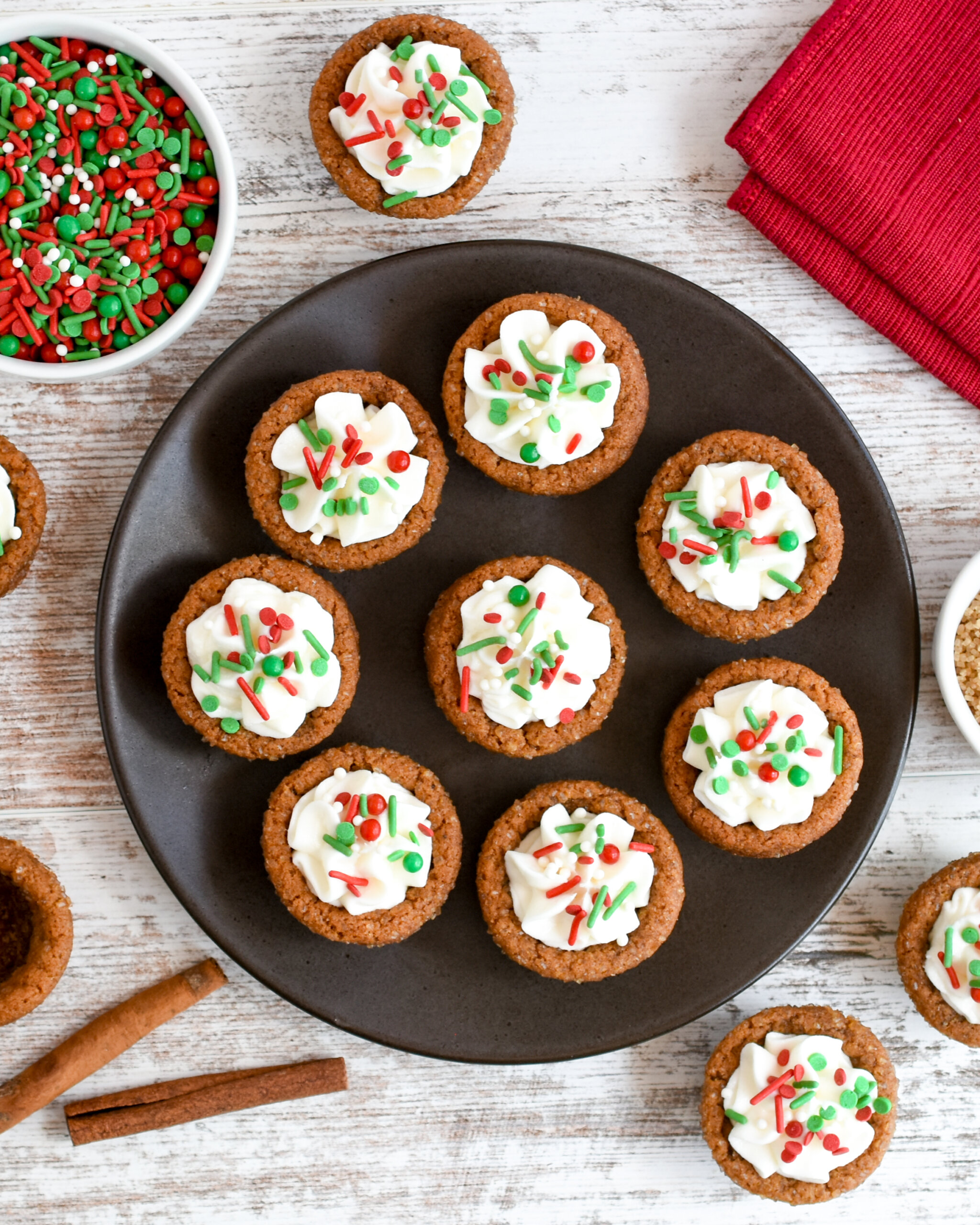
Day 7: Gingerbread Cookie Cups
Halfway through the cookie countdown and we’re still going strong (and baking deliciously) with our Gingerbread Cookie Cups.
Why you’ll love it: These bite-sized cups are packed with classic gingerbread flavor but remain tender and easy to enjoy. The Crisco ensures a soft, slightly chewy texture that holds up beautifully to fillings like chocolate, caramel, or cream cheese.
Serving tip: Sprinkle with a touch of powdered sugar or fill with a dollop of whipped cream or chocolate ganache for extra holiday cheer.
Day 8: Toasted Pecan Cookies
Rich, nutty, and just the right amount of cozy, these Toasted Pecan Cookies bring southern charm to your holiday cookie tray. The pecans are toasted to deepen their flavor, giving each bite a buttery crunch that’s perfectly complemented by Crisco Shortening.
Flavor profile: A warm, nut-forward cookie with caramelized undertones and a melt-in-your-mouth texture.
Pairing idea: Serve with a cup of coffee or a glass of milk after dinner, or crumble a few over vanilla ice cream for an easy dessert upgrade.
Why you’ll love it: These delicate sandwich cookies pair the buttery, almond‑infused dough with bright raspberry preserves peeking through the cut‑out tops. The contrast of soft cookie and fruity center makes them feel festive, yet easy enough for a home bake.
Serving tip: Dust the tops with powdered sugar just before serving for extra holiday sparkle, and consider plating them around a sprig of fresh mint or a few whole raspberries to elevate the presentation.
Day 10: Candy Cane Cookies
Day ten adds festive flair to your cookie box with Candy Cane Cookies, where classic peppermint meets the cheery shape of a holiday staple.
Why you’ll love it: These cookies combine a buttery dough made with Crisco (for that light, tender texture) with two elegantly twisted ropes of plain and red‑tinted peppermint dough that curl into candy‑cane shapes. The result is sweet, minty, and visually delightful.
Serving tip: Dust with powdered sugar just before serving, or drape a thin ribbon around each stick‑shaped cookie to elevate presentation and turn them into edible tree ornaments.
Day 11: Soft and Chewy Cinnamon Cookies
These Soft and Chewy Cinnamon Cookies are the kind you’ll want to eat straight off the baking sheet. Crisco® shortening helps the cookies keep their tender, chewy texture while amplifying their warm cinnamon aroma.
Serving note: The combination of sugar and spice makes these a perfect companion to a mug of hot cocoa or chai tea.
Baking Tip: Roll each dough ball in extra cinnamon sugar before baking for a sparkling, golden finish that makes them look as special as they taste.
Day 12: Almond Butter Cookies with Chocolate
The grand finale of your holiday cookie lineup, these Almond Butter Cookies with Chocolate are rich, nutty, and just a touch decadent. Crisco Shortening helps the dough hold its shape during baking, ensuring beautifully uniform cookies that are as sturdy as they are delicious.
A sweet ending: These cookies are elegant enough for gifting, yet cozy enough to enjoy at home with a cup of coffee or tea.
Bonus note: Sprinkle a pinch of sea salt on top before baking to heighten the almond and chocolate flavors for a gourmet twist.
Whether you’re creating crisp cutouts, chewy centers, or delicate shortbreads, these Crisco cookie recipes will help you get it right every time, so you can focus on what matters most: sharing something homemade and delicious this holiday season.
Creating the perfect flaky texture and chew, there’s a reason why Crisco® All-Vegetable Shortening is a pantry staple in homes. This beloved blue can is extremely versatile and is often the go-to for recipes when baking.
But what exactly is vegetable shortening, and why is it so important in baking? Find out below.
What Is Shortening?
Vegetable shortening is commonly used in a variety of baking recipes. It’s a plant-based solid fat containing 0 grams of Trans fats and 50% less saturated fat than butter. Adding onto this, vegetable shortening is also a great source of ALA Omega-3 fatty acids.
Key ingredients in vegetable shortening often include soybean oil and palm oil. Vegetable shortening usually has a neutral flavor, allowing other ingredients to shine. Crisco® also offers Butter Flavor All-Vegetable Shortening, perfect for those seeking a rich taste along with the benefits of shortening.
How to Bake With Shortening
Baking with Crisco® All-Vegetable Shortening creates that tender, delicate flakiness found in the most delicious of baked goods. The high melting point, fat content, and way shortening interacts with other ingredients helps make fluffy muffins, flaky pie crusts, tender biscuits, soft cookies, and more.
Baking with vegetable shortening is simple. Cream it for cookies and cakes, and cut it into your flour for pastries or biscuits. Vegetable shortening can replace butter in any of your favorite recipes! Since vegetable shortening is gluten and dairy-free, it’s also great for use in recipes with diet modifications.
Delicious Texture Begins With Shortening
Crisco® All-Vegetable Shortening is your ticket to fluffy, flaky, delicious baked goods that hit the spot. Whether you’re whipping up a batch of thick chocolate chip cookies or a fresh pie, vegetable shortening has all your bases covered. Want some baking inspo? Check out our full list of recipes here.
If you’re craving a crispy fried chicken sandwich, hold off on ordering out! With Crisco, whipping up a fried chicken sandwich at home is more than possible. These four recipes using Crisco All-Vegetable Shortening nail that perfect, crunchy fried chicken taste you know and love – with a twist.
BBQ Fried Chicken Sandwich on a Cheddar Biscuit
Combining the sweet tanginess of barbeque sauce with a savory, cheddar biscuit, this fried chicken recipe is perfect for summer gatherings. Fried in Crisco® All-Vegetable Shortening, this chicken sandwich recipe features a savory batter. Enjoy the satisfying crunch of this fried chicken sandwich at your next backyard BBQ.
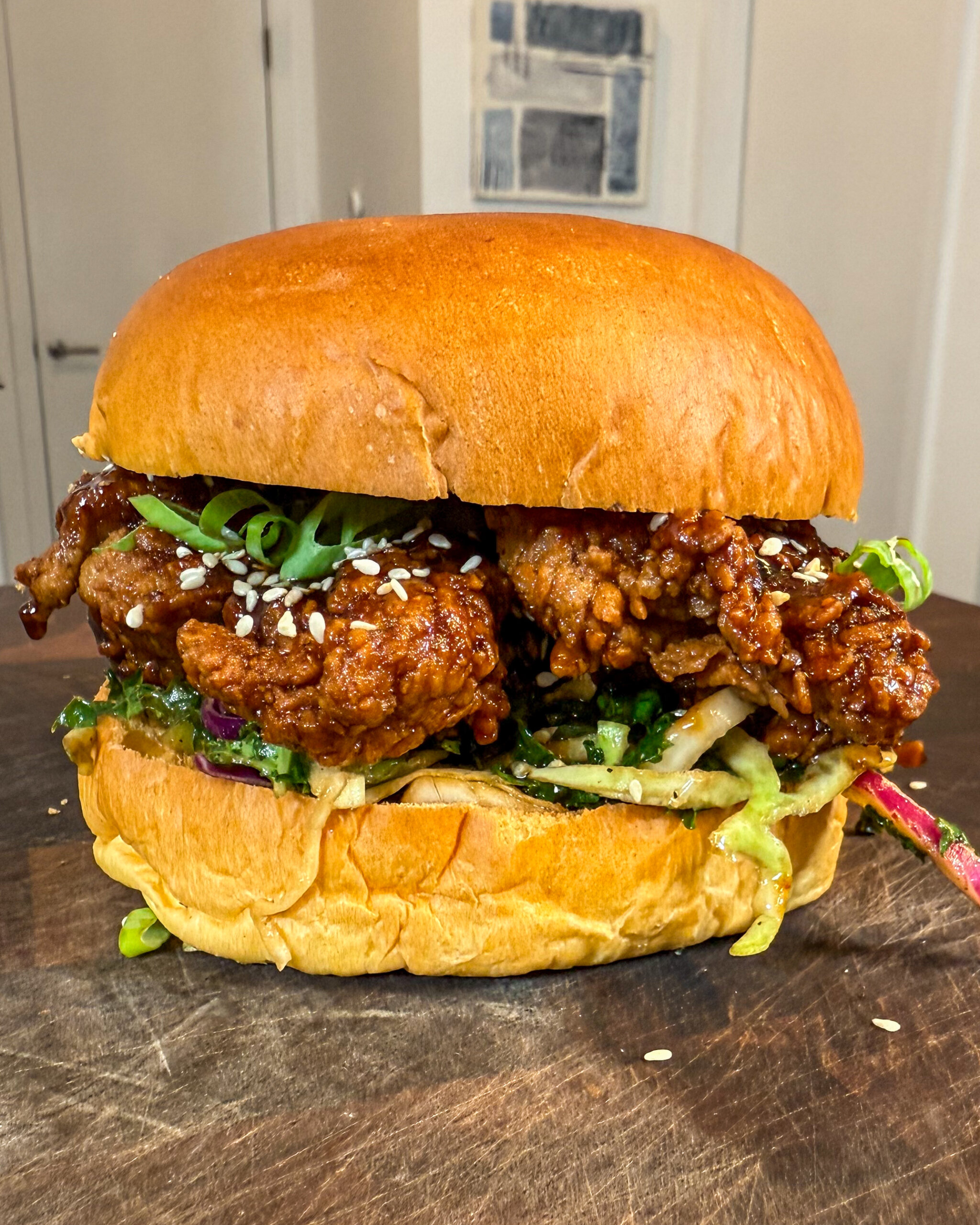
This sesame fried chicken sandwich is made to bring your tastebuds to life. Deep-fried in our tried-and-true Crisco® All-Vegetable Shortening, this sandwich provides a lip-smacking crunch full of sweet and tangy flavors. To make the flavors in this fried chicken sandwich really pop, add on thinly sliced green onions.
Crispy Fried Cornflake Chicken with Pimento Cheese Sandwich (Influencer-Inspired)
Cornflakes. Pimento cheese. It’s an (unlikely) match made in heaven. Expertly mixing the flavors of both pimento cheese and the nostalgic crunch of cornflakes, this fried-chicken sandwich is made perfectly crispy using Crisco® All-Vegetable Shortening.
Nashville Hot Honey Chicken Biscuits with Dill Pickle Slaw (Influencer-Inspired)
Topped with fresh pickle slaw, the Nashville hot honey chicken sandwich provides beloved flavors with an edge. This chicken sandwich features a flavorful dill pickle marinade and is fried to perfection in Crisco® All-Vegetable Shortening. Oh, and don’t forget your honey drizzle before you take a bite!
When it comes to getting that perfectly crispy, golden texture, nothing beats frying with Crisco® All-Vegetable Shortening. For decades, home cooks and chefs alike have trusted Crisco for frying because of its high performance, reliable temperature control, and delicious results.
Why Fry with Shortening?
Shortening is ideal for frying because it melts to create a smooth oil that heats evenly and maintains its temperature. Consistency is key to achieving fried foods that are crispy on the outside and tender on the inside, without that extra grease other frying oils can offer. Plus, Crisco® All-Vegetable Shortening doesn’t impart any unwanted flavors to your food, letting your ingredients shine.
Here’s some of our favorite recipes that have that crispy bite that makes fried food so delicious!
Extra-Crispy Traditional Fried Chicken
This classic fried chicken gets its unbeatable crunch from a double-dip coating and a hot skillet of Crisco® All-Vegetable Shortening. The result? Crispy on the outside, juicy on the inside, just like it should be.
Frying tip: Keep shortening at 350°F and use a wire rack to let the coating set before frying.
Light, crispy, and full of savory flavor, hush puppies are a Southern staple that always satisfies. Made with yellow cornmeal, buttermilk, and a blend of garlic and onion powders, these little bites of heaven fry up beautifully in Crisco® All-Vegetable Shortening.
Our advice: Keep the oil at 360°F for the perfect golden brown.
Take your appetizer game up a notch with these bold, tangy Buffalo Fried Pickles. A light batter seasoned with buffalo sauce gives each pickle slice a spicy twist, and frying them in Crisco® ensures a crisp coating without the excess oiliness.
Frying tip: Maintain the shortening temperature at 375°F for consistent frying results.
Using Crisco All-Vegetable Shortening for frying means you’re setting yourself up for success in the kitchen. With its neutral flavor and reliable frying performance, Crisco® helps you achieve that crispy texture everyone loves, without the fuss. So heat up that shortening, grab your favorite ingredients, and get ready to fry up your favorite dishes.
Is there anything like the smell of freshly baked cookies in your kitchen? We certainly don’t think so. We’re so obsessed with cookies we have over 100 Crisco® cookie recipes we’ve shared throughout the years. However, there are ten that have been our most popular – and we can see why. From classic chocolate chip, rich peanut butter, or spiced molasses, there’s a cookie recipe on this list for everyone.
1. Ultimate Chocolate Chip Cookies
There’s a reason a chocolate chip cookie is a classic. The delicious golden batter and chocolate pleases nearly every crowd. This recipe gets it right by creating the perfect balance of crispy edges and chewy centers, with gooey chocolate chips in every bite.
Ready in just 30 minutes, these rich, nutty, and wonderfully soft peanut butter cookies are truly irresistible. They’re packed with peanut butter flavor and have the classic crisscross pattern for a nostalgic touch.
Sometimes, simple is best. Sugar cookies are perfect for decorating to match the season or enjoying as-is. With a buttery, melt-in-your-mouth texture, these cookies are ideal for holidays, celebrations, or just because.
There’s something about an oatmeal cookie that brings comfort in each bite. This recipe is chewy, slightly spiced, and loaded with delicious oats. Plus, who could forget the raisins and the walnuts to get that quintessential flavor combo?
There’s something that feels magic about crackled cookies. Rolled in powdered sugar, the outer coating creates ‘cracks’ that make them as fun as they are delicious. These cookies have a fudgy center and have just enough chocolate to satisfy any chocoholic.
Cinnamon lovers, this is for you. These cookies will quickly become a favorite with your fellow spice loving friends and family. Soft, chewy, and filled with cozy cinnamon flavor, they’re perfect for fall and winter baking. Topped with a sweet icing, they’re the perfect blend of sugar, spice, and everything nice.
Molasses cookies have stood the test of time, and this recipe brings out the best in all of those classic flavors. Deep, rich molasses flavor paired with warm spices makes these cookies an absolute treat. They have a chewy texture and a slightly crisp edge—just the way molasses cookies should be!
Too much chocolate? Never! These cookies feature cocoa and chocolate chips, creating an indulgent, fudgy experience in every bite. If you’re always craving chocolate, these cookies are a must-try.
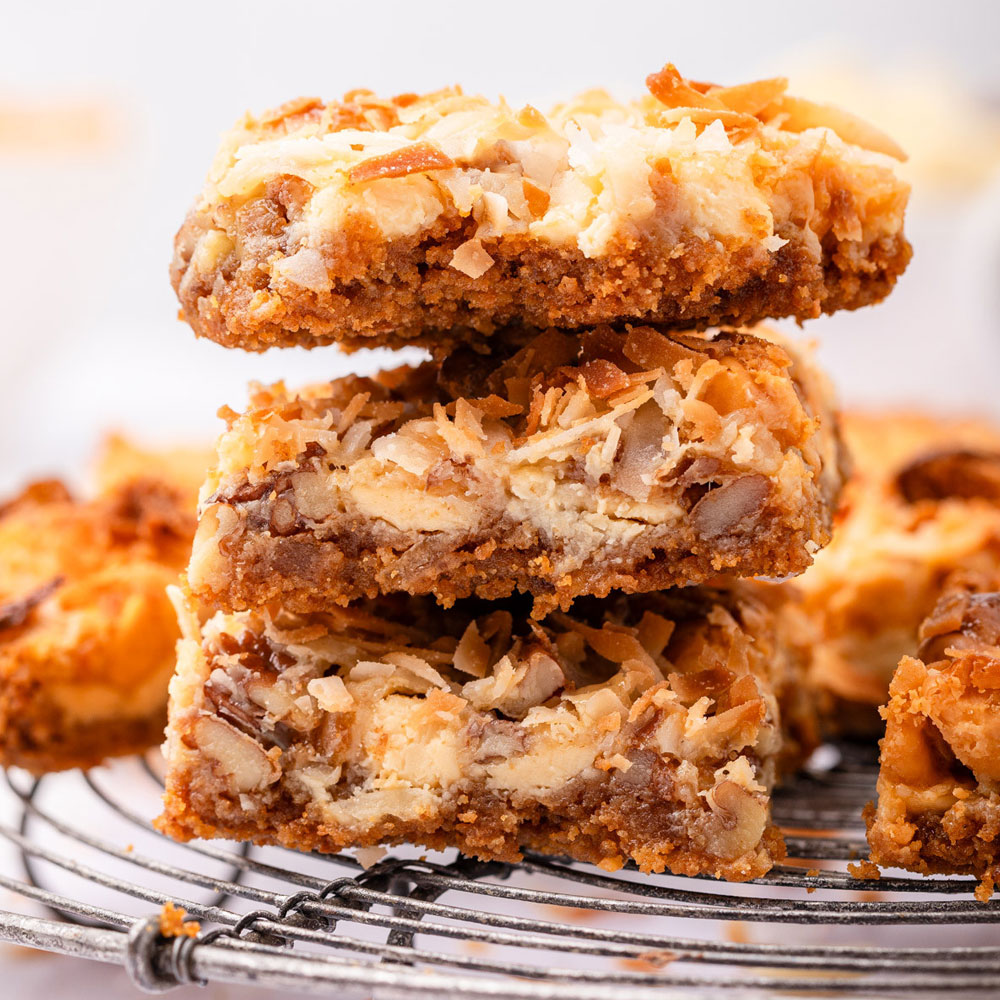
You may love a classic gingerbread man, but these magic cookie bars take it up a notch. You get the delicious gingerbread flavor you love with the addition of chocolate chips, pecans, and coconut that make these bars utterly irresistible. With a rich, gooey filling, they might become your new favorite holiday recipe.
Tart cranberries + crunchy walnuts + hearty oats = A perfect bite. They’re great for snacking, gifting, or enjoying with a warm cup of tea. Make them any time of year for a tray of cookies sure to please a crowd.
Bake them now. These ten Crisco® cookie recipe fan favorites will likely become your favorites too. For even more cookie inspiration, take a look at all of our delicious recipes. Happy baking!
If you’ve ever followed a baking recipe that called for shortening, you might have wondered—what exactly is shortening, and what makes vegetable shortening different? As the brand that’s been trusted in kitchens for generations, Crisco® is here to set the record straight.
Shortening: the Breakdown
Shortening is a type of fat that remains solid at room temperature and is commonly used in baking and frying. It helps create tender, flaky textures in pastries, cookies, and pie crusts. The term “shortening” historically referred to any fat used for this purpose, including butter and lard, but today, it often means vegetable shortening.
So, What Is Vegetable Shortening?
Vegetable shortening is a plant-based fat. Vegetable Shortening contains 0 grams of Trans fat and 50% less saturated fat than butter. It has a long shelf life and a neutral flavor that doesn’t interfere with the taste of your recipes. Unlike butter or lard, vegetable shortening contains no water or dairy, making it a versatile option for dairy-free baking and cooking.
How Is Vegetable Shortening Used?
Vegetable shortening is a staple in many kitchens thanks to its versatility. Here’s how it enhances various recipes:
Baking: Vegetable shortening creates soft, tender cookies, cakes, and pastries. It’s particularly famous for making ultra-flaky pie crusts and crisp-edged cookies.
Frying: Because of its high smoke point, vegetable shortening is excellent for deep-frying. It allows food to cook evenly and develop a crispy, golden exterior without absorbing too much oil.
Cooking: Some savory recipes use vegetable shortening for sautéing or as a substitute for butter in dairy-free dishes.
Is Vegetable Shortening the Same as Crisco®?
Crisco® is the leading brand of all-vegetable shortening that has been a kitchen staple since 1911. While there are other vegetable shortening brands, Crisco® is known for its high-quality ingredients and reliability in recipes. If a recipe calls for shortening, Crisco® is a trusted choice.
Summer Frying with Vegetable Shortening
If you love crispy fried foods, summer is the perfect time to try frying with vegetable shortening. With its high smoke point, Crisco® makes it easy to create crispy fried chicken, golden doughnuts, or even homemade French fries. Plus, its neutral flavor lets your ingredients shine.
Vegetable shortening is a versatile fat that’s perfect for baking, frying, and more. Whether you’re making flaky pastries or crispy fried foods, Crisco® has been the go-to all-vegetable shortening for generations. Now that you know what vegetable shortening is, it’s time to get cooking! Check out our recipes to get started.
There’s nothing quite like the comforting, sweet aroma of freshly baked chocolate chip cookies filling your kitchen. Whether you’re a fan of the classic recipe or looking for a tasty twist, Crisco has rounded up some delectable recipes that are sure to delight your taste buds.
These cookies are the epitome of the classic recipe we all know and love. Crispy on the outside and chewy on the inside, they’re packed with gooey chocolate chips that melt in your mouth. Perfect for sharing (or not), these cookies are sure to become a household favorite.
For those looking for a unique twist, these Chocolate Chip Granola Cookies are a must-try. These cookies combine the rich flavor of chocolate chips with the wholesome goodness of granola, creating a satisfying treat. Ideal for a quick snack, these cookies prove that granola isn’t only good for breakfast.
Add a bit of crunch to your cookie repertoire with Chocolate Chip Walnut Cookies. The combination of semi-sweet chocolate chips and crunchy walnuts creates a perfect balance of flavors and textures. These cookies are a fantastic choice for nut lovers and add a delightful twist to the traditional chocolate chip cookie.
Double the chocolate, double the fun! The Double Chocolate Cookies are a chocolate lover’s dream come true. Featuring both cocoa powder and chocolate chips, these cookies offer an intense chocolate experience that’s hard to resist. Perfect for satisfying those serious chocolate cravings, these cookies are decadent and delicious.
Fried chicken recipes are a culinary staple, and nothing makes them better than using Crisco. From classic skillet-fried chicken to spicy Nashville hot honey biscuits, here are some mouth-watering recipes to satisfy your next fried chicken craving.
1. Skillet Fried Boneless Chicken
This easy recipe is perfect for a quick dinner that everyone will love. With a crispy coating of flour, salt, black pepper, garlic powder, and red pepper, it’s fried to golden perfection in Crisco All-Vegetable Shortening. Whether you prefer chicken breasts, thighs, or tenders, this recipe delivers a satisfying crunch with every bite.
For a fully dimensional flavor, this homemade fried chicken starts with an overnight brine of water, salt, seasoned salt, black pepper, sugar, thyme, rosemary, garlic, and lemon. Coated in a seasoned flour mixture and fried in Crisco Pure Canola Oil, it’s juicy, flavorful, and perfect for any occasion. You’ll have everyone asking for your recipe!
Looking for a delicious meal to bring to your next sports watching party? These boneless buffalo wings are just what you need. The chicken is double-coated in a seasoned flour mixture and fried in Crisco All-Vegetable Shortening. Tossed in a hot sauce and butter mixture, these wings are spicy, tangy, and absolutely addictive. Serve with fries and celery sticks and you have a perfect game day meal.
This southern classic combines crispy fried chicken tenders with fluffy waffles, all drizzled with a hot honey sauce. The perfect blend of sugar and spice makes this meal oh so nice. The chicken is fried in Crisco Canola Oil and pairs perfectly with the sweet and spicy sauce, making it an irresistible dish.
5. Nashville Hot Honey Chicken Biscuits with Dill Pickle Slaw
For spice lovers, try these Nashville hot honey chicken biscuits. The chicken tenders are marinated, coated in a seasoned flour dredge, and fried in Crisco All-Vegetable Shortening that makes the batter extra crispy. Served on a biscuit with dill pickle slaw and drizzled with hot honey, it’s a flavor explosion in every bite.
Each of these recipes brings a unique twist to traditional fried chicken, making them perfect for any meal or occasion. Don’t forget to click through to get the full recipes and start cooking up some crispy, delicious fried chicken today!